
The Mysteries of Choju-giga: Hidden Meanings in Japan’s Famous Animal Scroll
日本語版はこちら: 鳥獣戯画の謎とは?絵巻の意味や高山寺との関係について
Choju-giga (formally Choju Jinbutsu Giga) is one of the most famous picture scrolls in Japanese art and is often called the oldest manga. Created about 900 years ago, between the late Heian period (794–1185) and the Kamakura period (1185–1333), the scrolls depict rabbits, frogs, monkeys, and other animals acting like humans in lively and humorous scenes.
Despite its popularity, many aspects of Choju-giga remain mysterious. In this article, we explore some of the enduring mysteries surrounding this famous Japanese picture scroll.
Choju-giga Consists of Four Scrolls
Choju-giga is a set of four picture scrolls traditionally known as the Scrolls A, B, C, and D.
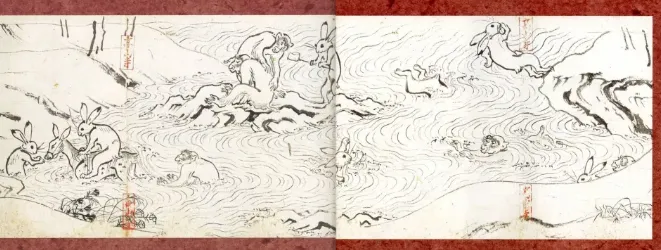
The most famous is Scroll A, which depicts rabbits, frogs, and monkeys running, wrestling, bathing, and playing as if they were human beings. The lively brushwork and humorous scenes give the scroll an energy that still feels modern today.
The First Mystery: Why Are the Four Scrolls So Different?
The first mystery lies in the striking differences among the four scrolls that together make up Choju-giga.
Each scroll varies greatly in style and subject matter. In the scrolls other than Scroll A, animals are shown more realistically, along with scenes of landscapes and people. However, these scrolls do not convey the same lively humor and dynamic movement that characterize Scroll A.
In terms of artistic evaluation and popularity, Scroll A clearly stands out from the others. Because of this, the four scrolls can seem almost like completely different works.
Considering how different they appear, it is rather mysterious that these four scrolls came to be grouped together and treated as a single set known as Choju-giga.
Who Created Choju-giga?
The creator of Choju-giga remains unknown.
For many years, the scroll was traditionally attributed to the Buddhist monk Toba Sojo (1053–1140). Because he was known for humorous sketches, people believed he might have drawn the lively animals of Choju-giga.
Today, however, most scholars believe that the four scrolls were created by multiple artists rather than by a single individual. This makes the question of why these very different scrolls were later grouped together even more puzzling.
In other words, both the origin of the scrolls and the reason they were later treated as a single work remain uncertain.
Choju-giga and Kozan-ji Temple
The original Choju-giga scrolls have been preserved for roughly nine hundred years at Kozan-ji Temple, a historic Buddhist temple located in the mountains of Kyoto.
Kozan-ji was founded in the early Kamakura period by the monk Myōe (1173–1232), an influential Buddhist priest known for his strict religious practice and intellectual curiosity.
Because the scrolls were preserved at Kozan-ji, some scholars believe that they may have been connected to the temple or its monks. However, there is no definitive historical record explaining exactly how the scrolls came to be kept there.
Myōe is also said to have loved animals. Records suggest that he kept animals at Kozan-ji Temple and treated them with great care. This has led some people to imagine that the humorous animals in Choju-giga might have resonated with the atmosphere of the temple.
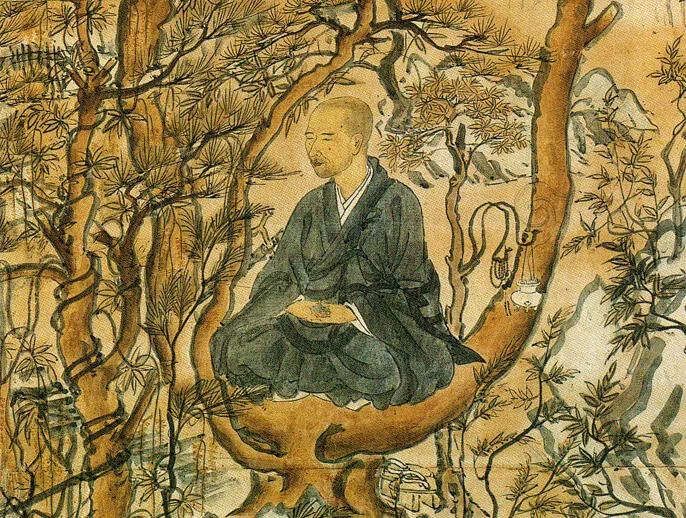
Today, Choju-giga is designated as a National Treasure of Japan, and Kozan-ji Temple remains closely associated with the history of the famous scroll.
The Second Mystery: Why Was Choju-giga Preserved at a Temple?
One of the most intriguing questions about Choju-giga is why it was preserved for centuries at a Buddhist temple together with important religious documents.
If the scroll were merely a humorous drawing of animals, it would be unusual for it to be carefully preserved at a temple such as Kozan-ji alongside valuable religious materials.
For this reason, some scholars believe that Choju-giga may have had a deeper meaning than simple entertainment.
One interpretation is that the scroll contains satire directed at religious institutions or monks of the time. Because the animals behave like human beings—including figures that resemble monks—the scenes may reflect a humorous but critical view of religious life.
Another possibility is that the scroll was intended as a form of visual teaching. By depicting animals acting like people, the artist may have been illustrating moral lessons about human behavior.
However, because the scroll contains no written explanation, its original meaning remains uncertain. This ambiguity is one of the reasons why Choju-giga continues to fascinate viewers today.
Why Choju-giga Still Fascinates People Today
Abou 900 years after it was created, Choju-giga continues to fascinate audiences around the world.
The expressive brushwork and lively movements of the animals give the scroll a sense of humor and storytelling that feels surprisingly modern.
For this reason, Choju-giga is often described as one of the earliest examples of visual storytelling in Japan and is sometimes called the origin of manga.
Enjoy Choju-giga Through Picture Books
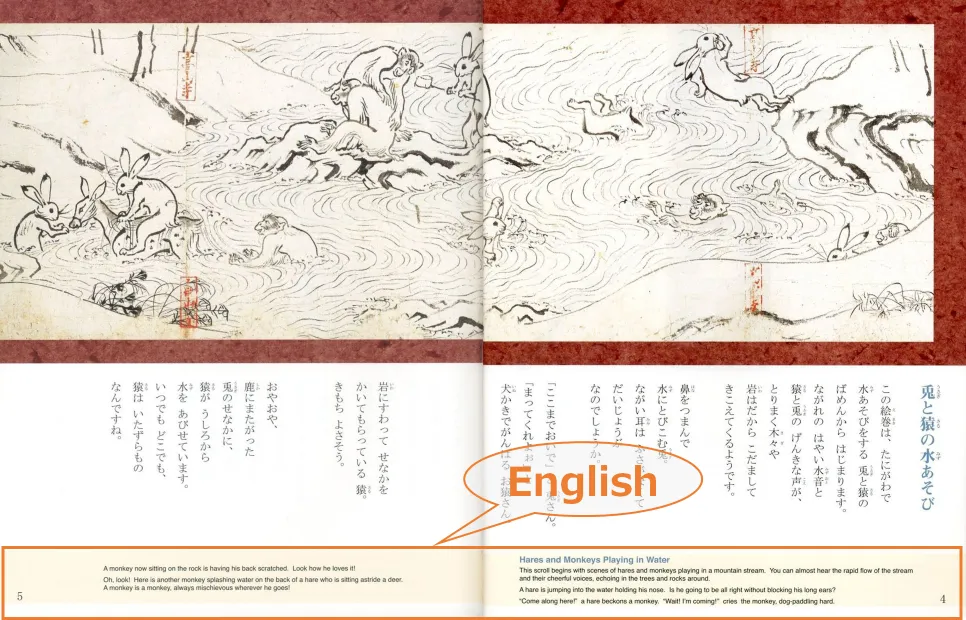
Choju-giga is a long picture scroll, and it can be difficult to appreciate all of its details when viewing the original. For this reason, many readers enjoy exploring the story through illustrated books that present the scenes in an easy-to-follow format.
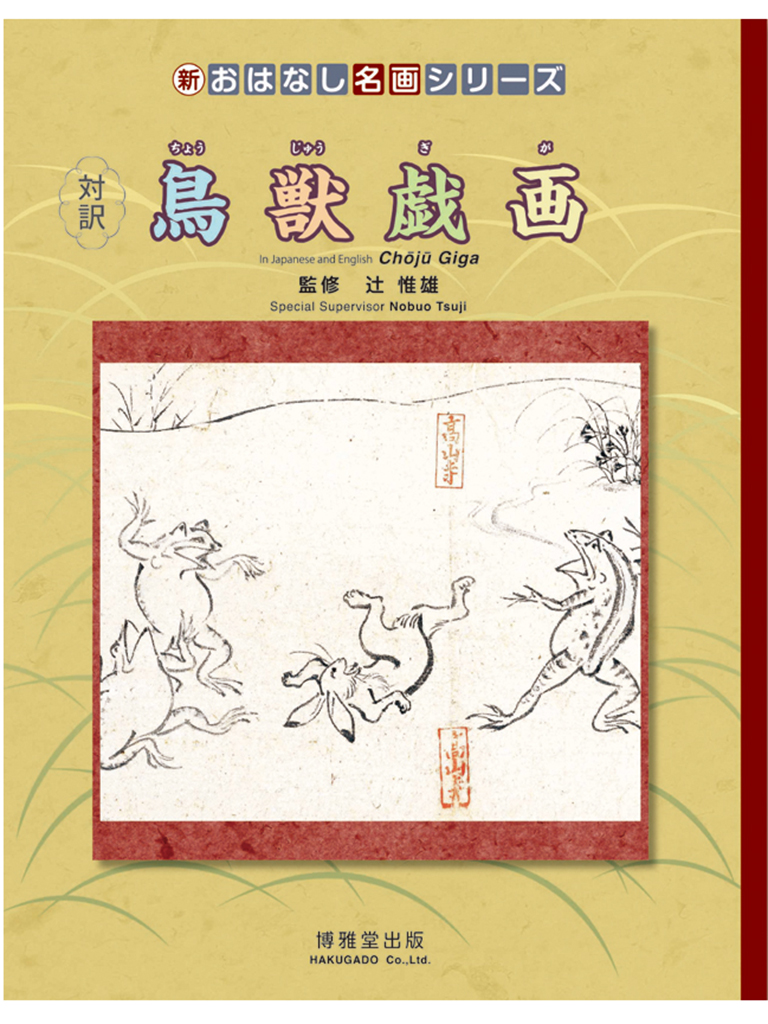
One such book is Choju Giga: The Scroll of Frolicking Animals. This edition introduces the entire Scroll A in a way accessible to both children and adults.
With English translations included, the book is also popular among international readers who want to learn about Japanese culture while enjoying the playful world of Choju-giga.
Learn More About Japanese Art
- What Is Choju-giga? What Is Choju-giga? Japan’s Oldest Manga Explained (Famous Animal Scroll)
- What Are the Rabbit and Monkey Doing in Choju-giga?
- Hokusai’s Mt. Fuji Picture Book: The Thirty-Six Views of Mount Fuji and Fugaku Hyakkei
- Katsushika Hokusai’s Life in 3 Minutes | Japanese Ukiyo-e Master
- Mount Fuji Worship: Why Japan’s Sacred Mountain Is Revered