Mount Fuji Worship: Why Japan’s Sacred Mountain Is Revered
日本語版はこちら: 富士信仰とは?北斎「諸人登山」に見る富士講と富士登山
Mount Fuji has long been regarded as a sacred mountain in Japan. For centuries, people have worshipped it and climbed it as an act of faith.
Why has this mountain been considered sacred, and how did this tradition develop? In this article, we explore the spiritual history of Mount Fuji and its influence on Japanese culture and art.
Why Is Mount Fuji Considered Sacred?
Unlike religions that focus on a single god or deity, Shinto — Japan’s indigenous religion — is based on the belief that natural elements possess spiritual significance.
In Shinto belief, mountains, forests, and rivers are often associated with spiritual beings known as kami. Because of its exceptional height and striking beauty, Mount Fuji came to be regarded as one of the most sacred mountains in Japan.
The mountain is associated with the goddess Konohanasakuya-hime, and many shrines dedicated to her — especially the Sengen Shrines — were established around Mount Fuji and throughout Japan.
Over the centuries, these beliefs developed into a rich tradition of mountain worship. Mount Fuji came to be regarded as a place of spiritual power capable of purifying both body and spirit, and climbing the mountain became an act of faith and devotion. This tradition of pilgrimage later developed into religious groups known as Fuji-ko.
Because of these beliefs, Mount Fuji came to be regarded not only as a natural landmark but also as one of the most important sacred mountains in Japan.
Fuji-ko and the Pilgrimage to Mount Fuji
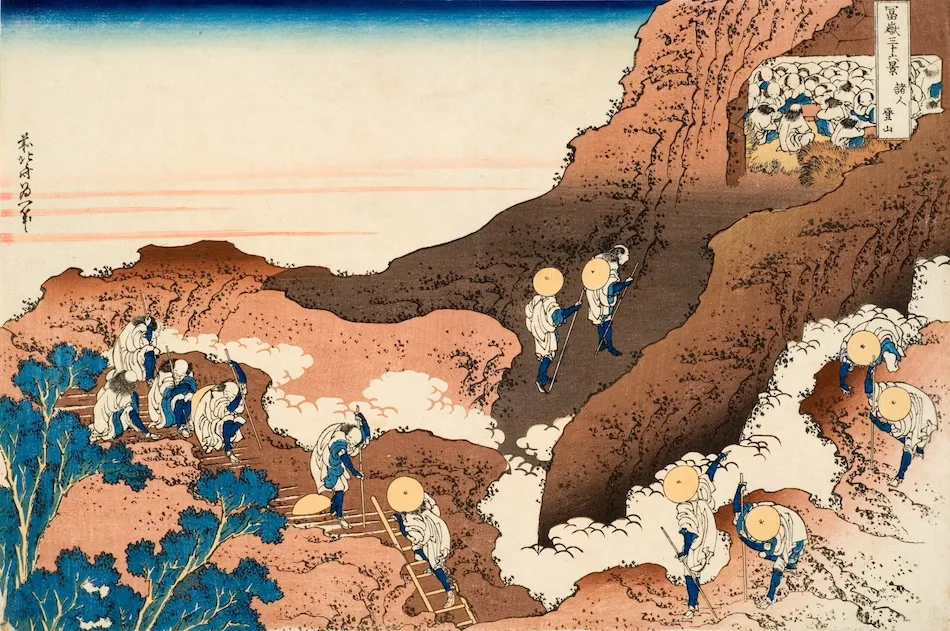
Fuji-ko was a religious movement that spread throughout eastern Japan during the Edo period. Members believed that climbing Mount Fuji was a sacred act that purified both body and spirit. Pilgrims often traveled together and climbed the mountain as an act of devotion.
The ukiyo-e master Katsushika Hokusai illustrated this practice in his print Groups of Mountain Climbers from the famous series Thirty-Six Views of Mount Fuji. This work is unusual within the series: it is the only print that does not depict the full form of Mount Fuji. Instead, Hokusai focuses on the pilgrims climbing near the summit. The people in the image are climbing Mount Fuji as an act of faith, which may explain why the climbers who have reached the summit do not appear joyful.
Mount Fuji as a Source of Artistic Inspiration
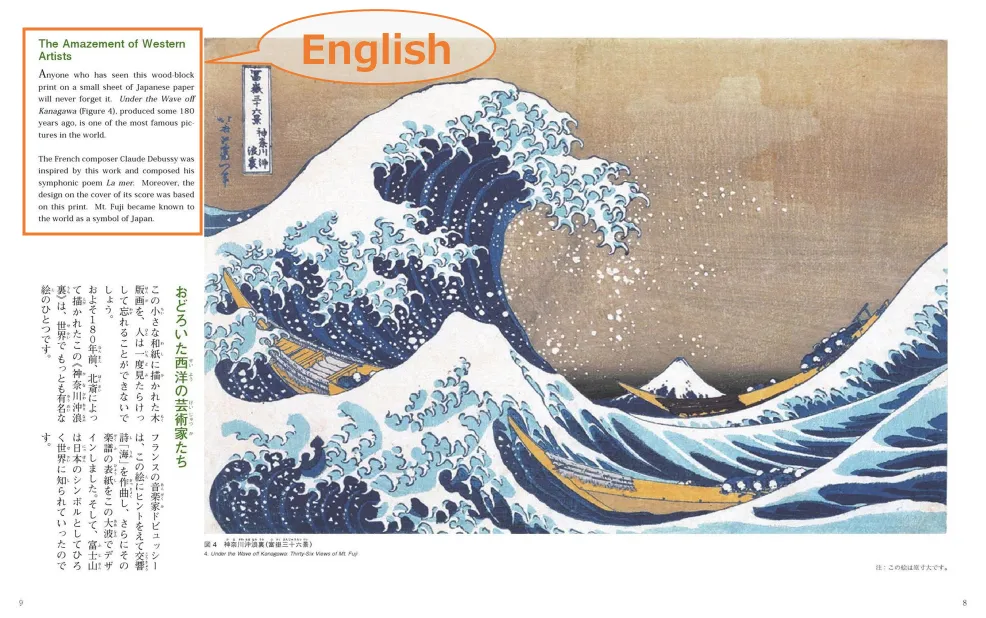
The sacred status of Mount Fuji has also inspired many artists throughout Japanese history. One of the most famous is the ukiyo-e master Katsushika Hokusai, whose celebrated series Thirty-Six Views of Mount Fuji depicts the mountain from many different perspectives.
For example, at sunrise or sunset the mountain sometimes appears stunningly red, a phenomenon that inspired Hokusai’s famous print often called “Red Fuji.”
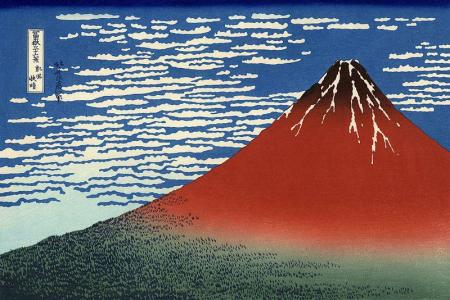
Hokusai’s prints helped introduce the beauty of Mount Fuji to audiences around the world and influenced many Western artists in the nineteenth century.
Mount Fuji Today
Today, Mount Fuji remains both a spiritual symbol and a cultural icon of Japan. Millions of people visit the mountain every year, some climbing it as a form of pilgrimage and others simply to experience its beauty.
Recognizing its cultural and spiritual significance, Mount Fuji was designated a UNESCO World Cultural Heritage Site in 2013 as “Fujisan: sacred place and source of artistic inspiration.”
Learn More About Mount Fuji
If you would like to explore Mount Fuji through art, Hakugado Publishing offers a book that introduces the masterpieces of the ukiyo-e artist Katsushika Hokusai, including many works from the famous series Thirty-Six Views of Mount Fuji.
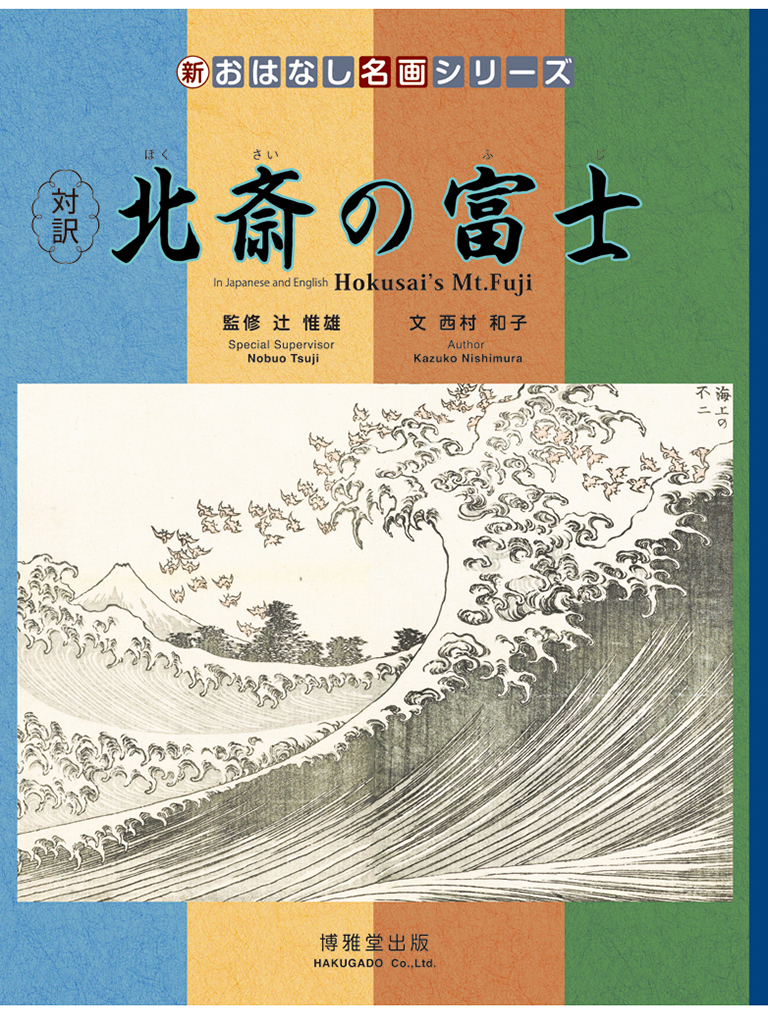
Hokusai’s Mt.Fuji in English and Japanese
Large size (B4 extended format), 36 pages
before-tax price: ¥2,000
This book introduces masterpieces by the Edo-period ukiyo-e master Katsushika Hokusai, many of which feature Mount Fuji while also offering a glimpse into everyday life in Edo Japan.
You May Also Enjoy
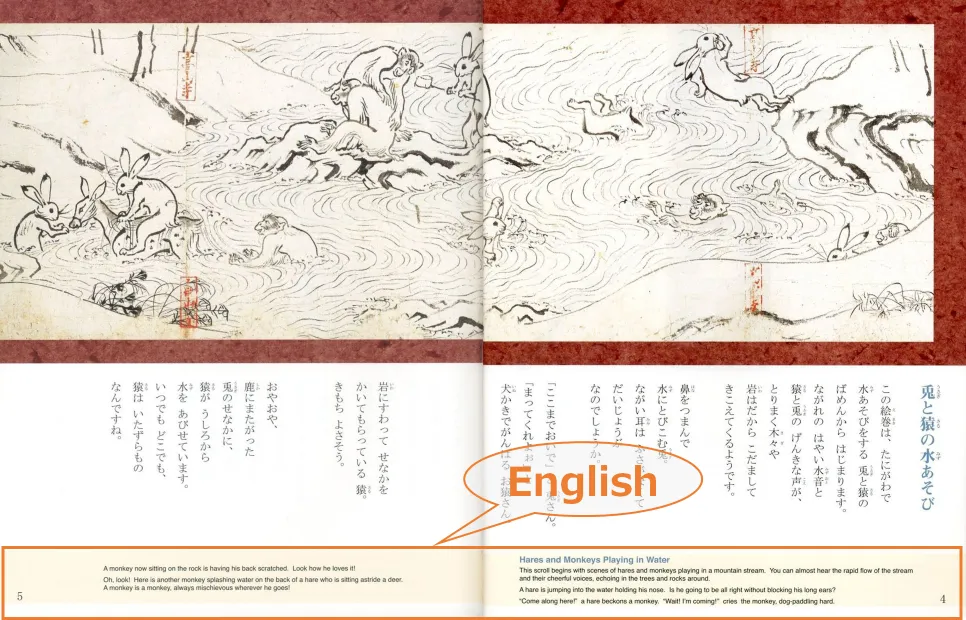
If you are interested in Japanese art, you may also enjoy a book about Choju-giga, a scroll featuring frolicking animals, often regarded as the origin of manga, produced about 900 years ago.
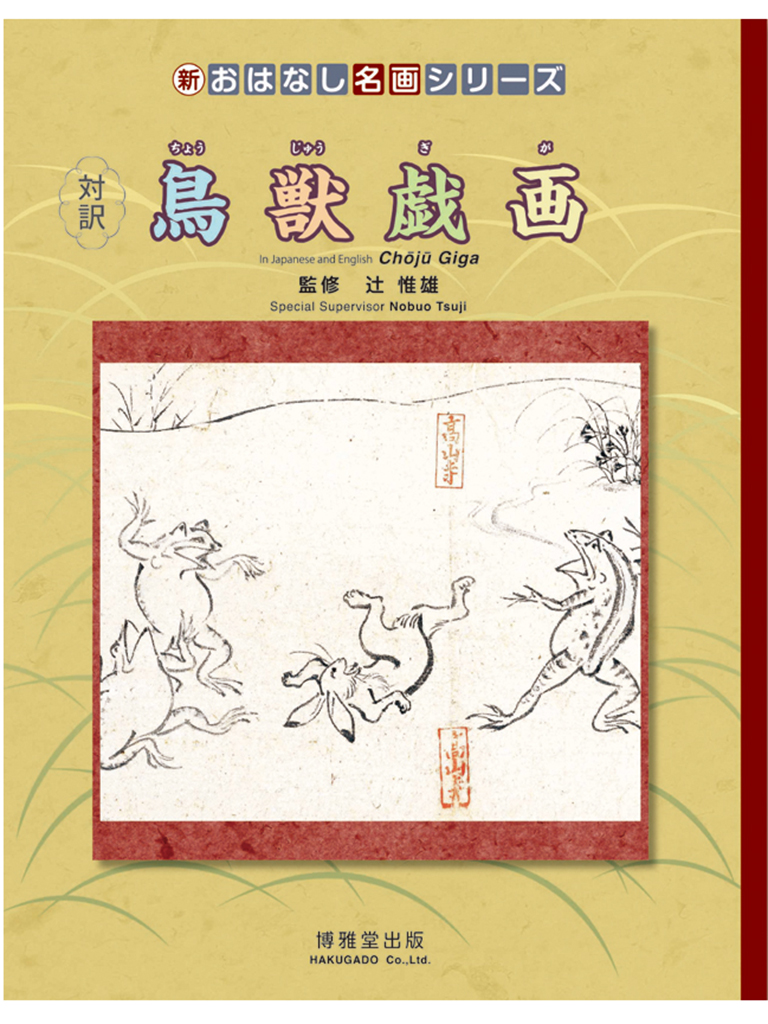
Choju Giga in English and Japanese
Large size (B4 extended format), 36 pages
before-tax price: ¥2,000
Choju Giga, often considered the origin of manga, was handed down for 900 years in a temple in Kyoto. It contains vivid depictions of animals engaged in lively antics.